
Shop
Our Products
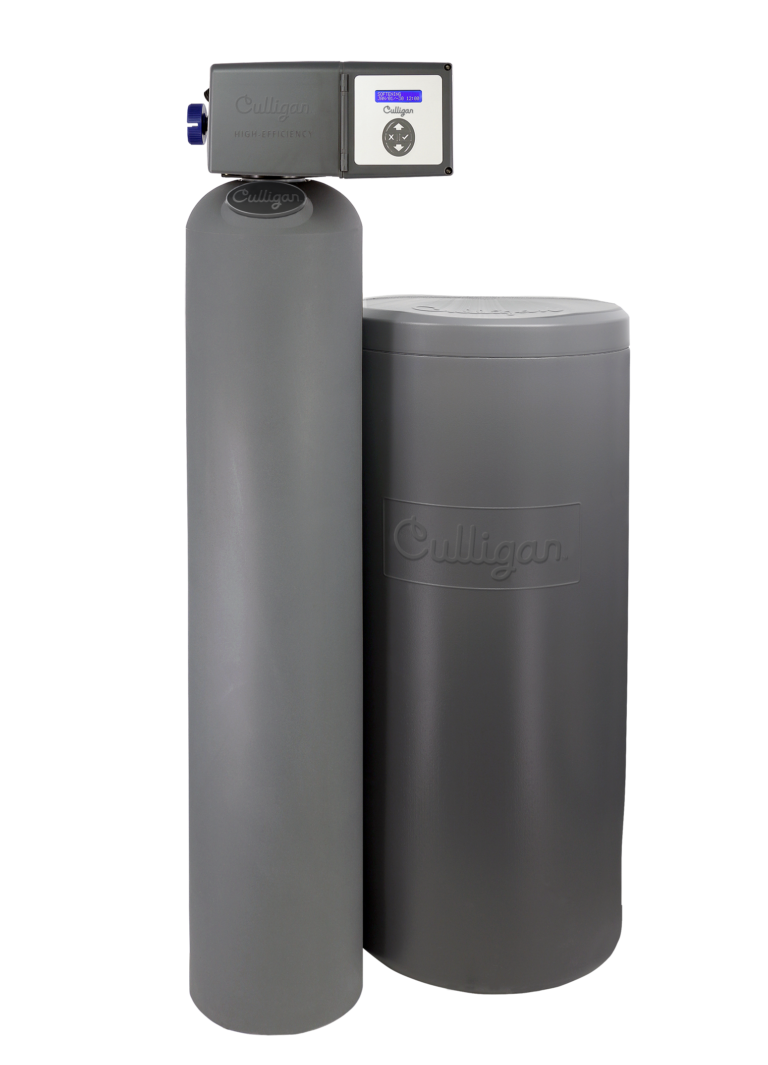
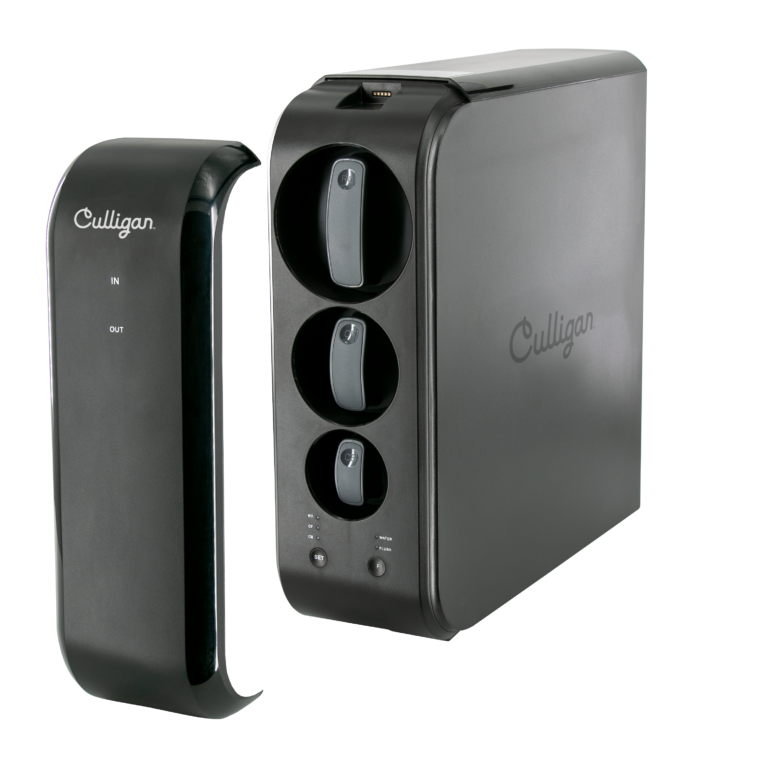

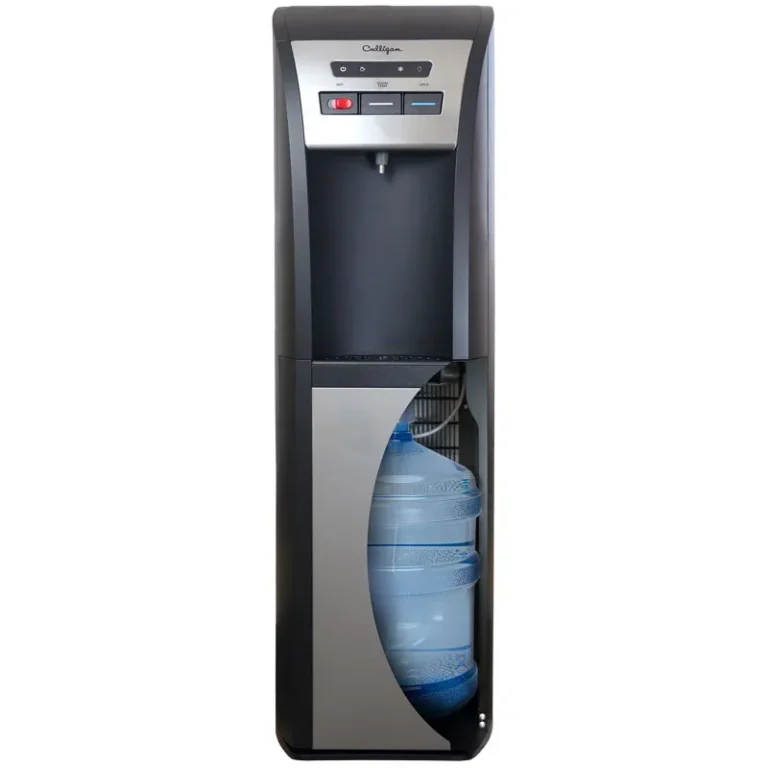

Deals
Don’t Miss Out
What’s In Your Howe, TX Water?
Get a FREE Water Test!
- No mailing — fast results!
- Test any tap in your home
- NEW flexible sample pickup options

The Proof
Why Do Howe, TX
Homeowners LOVE Us?
We wanted to better understand our Howe tap water, especially after noticing a chlorine taste at certain times. Culligan tested the water in our home, explained what could affect taste and smell, and helped us compare filtration options. It was simple, helpful, and gave us a lot more confidence.

We were seeing spots on dishes and buildup around faucets, but we were not sure what type of system we needed. Culligan tested our water and explained how a softener could help with the issues we were noticing around the house. Since the system was installed, the water feels better and cleaning has been easier.
We wanted better water for drinking, coffee, cooking, and ice. Culligan walked us through our options and recommended a reverse osmosis system for the kitchen. The difference in taste was noticeable right away, and we like knowing our drinking water has extra filtration before it reaches the glass.
Frequently Asked Questions for Water in Howe, TX
Is Howe tap water safe to drink?
Howe’s tap water is treated to meet drinking water requirements, but trace contaminants, chlorine, metals, nitrates, and treatment-related byproducts can still be present. That is one reason many homeowners choose water filtration for better taste, added confidence, and extra protection at the tap.
Where does Howe get its water?
Howe’s water quality information does not name a specific lake, reservoir, or aquifer in the sections available. Source water can come from groundwater or surface water supplies, and it may pick up minerals, runoff, organic material, or other substances before treatment. Because water quality can still vary by home, in-home water testing can help identify what is actually coming from your tap.
Does Howe use chlorine or chloramines?
Howe reported chlorine gas as its disinfectant residual, with an average level of 1.23 ppm and a detected range of 0.50 to 2.37 ppm. Chlorine helps control microbes in the distribution system, but it can also create a chemical taste or smell. A properly selected carbon filtration system can help reduce chlorine taste and odor throughout the home.
Does Howe water contain disinfection byproducts?
Howe reported Haloacetic Acids (HAA5) at 0 ppb and Total Trihalomethanes (TTHM) at 0 ppb in the disinfection byproducts section. However, the report also listed dibromochloromethane at 9.73 µg/L, which is a disinfection-related compound. These byproducts can form when disinfectants react with organic material in the water, which is why many homeowners choose carbon filtration or whole-house treatment for extra protection at the tap.
What contaminants were found in Howe water?
Testing detected several regulated contaminants in Howe water, including barium at 0.013 ppm, chromium at 0.73 ppb, dibromochloromethane at 9.73 µg/L, fluoride at 0.969 ppm, nickel at 0.0014 mg/L, nitrate at 0.708 ppm, nitrate-nitrite at 0.00897 ppm, and nitrite at 0.0179 ppm. These results help show why water treatment can still be valuable, even when water is treated before it reaches the home.
Are nitrate or nitrite a concern in Howe water?
Howe reported nitrate at 0.708 ppm, nitrate-nitrite at 0.00897 ppm, and nitrite at 0.0179 ppm. These were below the limits listed in the water quality information, but nitrate and nitrite can still be important for homeowners to understand, especially households with infants, young children, or anyone with specific health concerns. A reverse osmosis drinking water system can help reduce many dissolved contaminants at the tap.
Is lead or copper a concern in Howe water?
Copper was reported at a 90th percentile level of 0.293 ppm, and lead was reported at a 90th percentile level of 3.47 ppb. Both were below their respective action levels, with 0 sites over the action level. Even so, lead and copper can enter water through household plumbing, fixtures, and service lines. Homes with older plumbing may benefit from a water test and a drinking water system designed to reduce metals.
Were there any violations reported for Howe water?
Yes. Howe’s water quality information listed two returned-to-compliance items. One was tied to Consumer Confidence Rule adequacy, availability, or content, related to certification delivery. Another was tied to Lead and Copper Rule Revisions, listed as notification for known and potential service lines. Even after a system returns to compliance, many homeowners still want extra confidence from in-home water testing and filtration.
Does Howe water contain PFAS or forever chemicals?
PFAS test results were not listed in the Howe water quality information provided. That does not mean homeowners are not concerned about PFAS. Testing requirements and water quality priorities can change, and many families choose advanced filtration, such as reverse osmosis, for added protection against a wider range of potential contaminants.
Is Howe water hard?
Hardness levels were not listed in the Howe water quality information provided. However, homeowners may still notice signs of hard water at the home level, such as spots on dishes, buildup around fixtures, dry-feeling skin, or soap that does not lather well. A local water test can show whether a water softener would be helpful for your specific home.
Should I use a water filter in Howe?
Many Howe homeowners can benefit from a water filter, especially if they want to reduce chlorine taste, disinfection-related compounds, trace contaminants, nitrate concerns, or metals that may enter through household plumbing. A local water test can help determine whether a whole-house filter, reverse osmosis system, water softener, or combination system makes the most sense for your home.
Where Can I Get a Local Water Quality Report?
You can access Howe’s Water Quality Report here.